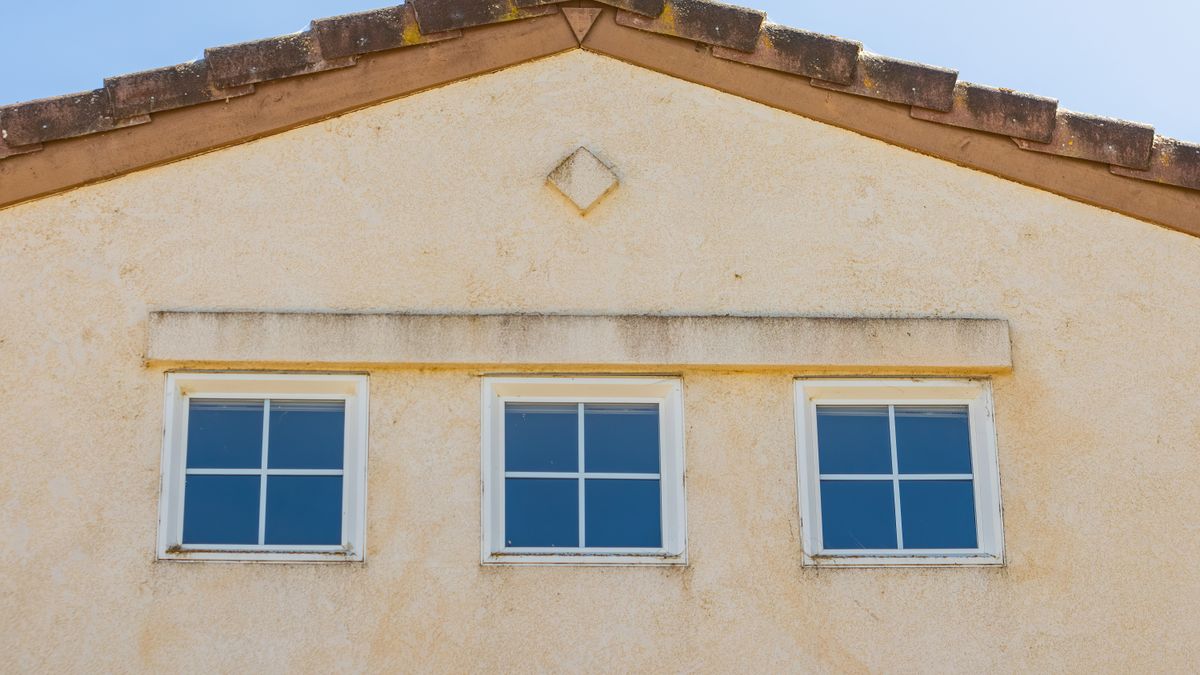
The southern edge of the city
This district covers the southern part of the city, running south from the Spring Valley area toward the edge of the built-up Valley. It includes the ZIP codes 89123, 89139, 89141 and 89183.
It is the smallest district by ZIP count, and among the newest by build date. Most homes went up in the 2000s and 2010s, in planned and tract communities. Newer sections are still being filled in.
Nearly all of it is slab housing, a good deal of it two-story, with HOAs and a high share of pools. The ground is a mix of hard caliche and imported fill.
PEX in the newer south
The newer homes in this district are mostly built with PEX supply lines, run from a manifold to each fixture. That means fewer joints under the slab, and it changes where leaks occur: at manifold and riser fittings, where a line bends tightly or where it was damaged during building.
Some homes from the early 2000s have copper, and the technician confirms what is under yours. PEX slab leaks explains how PEX leaks and how they are found, including why pressure testing carries more weight.
A first leak in a home of this age is less common than in the boom-era districts. When it happens, it deserves a prompt look, since a fitting that is seeping can worsen.
The meter is the first test
In newer homes with PEX, the signs may be faint. A warm patch is small and sound is dampened. The meter remains clear. With everything off, does the indicator move? With the main closed, does it stop?
Take readings at a quiet time and again in the morning. The water meter check gives the full routine, including irrigation and pool steps.
In planned communities, shared irrigation may sit on a separate meter from your house. Check which one you are reading before you draw conclusions.
Planned living and access
Southern communities are largely planned, with gated entries, management offices and association guidelines. A crew needs to be let in, and some communities limit working hours or vehicle sizes.
Tell the person who answers about your community, and give management a call if you can. This site makes no claim about any association’s rules. HOA and townhome slab leaks suggests questions.
Two-story plans are common here, and lines to the upper floor rise through walls. A leak heard upstairs may start on the ground floor.
Pools and landscaping
The south has a high share of pools and extensive drip landscaping. The yard is always the first thing to rule out. Turn irrigation off, close the pool fill and check the dial.
If the meter stops, the slab is not the cause. Pool, drip system or slab explains each step and the bucket test.
Lining and other options in newer homes
In newer homes, spot repair and reroute are the usual options. Reroute is practical because PEX bends easily and many plans have attic access.
Lining is typically not an option for PEX. Repiping is occasionally discussed after several leaks. Pipe lining for slab leaks explains where lining does fit.
Each option is explained and priced before work begins.
If the home is very new
In a very new home, a leak may relate to the original installation. Some owners still have a builder’s warranty, and it is worth checking your paperwork. This site does not give legal advice about warranties.
Tell the crew how old the house is. If the leak seems tied to a fitting or sleeve from construction, the technician will say so, and will note it for your records.
Ground in the south
Parts of the south sit on caliche, with imported fill on graded lots. The crew reports on site what the ground looks like. Caliche and slab leak access covers the basics. Where fill was used, the ground around the slab can settle differently from one lot to the next, so two neighbors may see different conditions when a floor is opened.
Hot water and the heater in newer homes
In newer southern homes, water heaters are often in the garage, with hot lines running through the garage wall and into the slab or attic. A leak on the hot side may show up as a heater that runs more than before, or as hot water that takes longer to arrive.
A tankless unit may fire at odd times, or hold a low flow. The meter test is the same. If the dial moves with everything off and stops when the heater’s cold valve is closed, the leak is on the hot side. Hot-water slab leaks explains the check.
Only adjust what you are sure about. Gas, electrical and pressure-relief parts are for the technician.
Two-story homes and where water goes
Many southern homes are two-story. A leak on the ground floor may send water down into the slab, while a leak in an upstairs wall shows up as a stain below. Slab leaks give no ceiling stains, because the water goes down.
If you see a ceiling stain, the leak is above it and is probably not a slab leak. If you hear water but see no stain, it may be on the ground floor, in a wall or under the slab. The meter and the technician decide.
A reroute in a two-story home needs a plan. Lines to upper floors rise in interior walls, and the attic route may pass through them. The technician explains on site.
What the visit looks like
The crew starts with the meter and the main, then isolates the hot and cold sides. A line that holds pressure is sound. A line that falls has a leak, and branches are tested in turn. Pressure testing carries particular weight in PEX homes.
Acoustic and thermal tools then help place the leak, with the mark on the floor. The technician says how confident the mark is, and explains the options, each priced before work.
Slab leak detection describes the visit step by step.
Neighbors and ZIP codes
The southern valley borders Southwest to the west and north-west. Henderson lies to the east and has its own page. ZIP codes in this district are 89123, 89139, 89141 and 89183.
More guides and nearby places for Southern Las Vegas Valley
Hard water and copper leaks explains how very hard water and copper wear can interact, a topic that may apply to copper lines in Southern Las Vegas Valley homes. slab leak rerouting explains how a line can be taken out of the slab and run overhead in a Southern Las Vegas Valley home. emergency slab leak service lists the safe first steps if water is surfacing in your Southern Las Vegas Valley home.
Questions about slab leaks in Southern Valley
Do newer southern homes have copper?
+
Some from the early 2000s do. Most newer ones have PEX. The technician confirms.
Where do PEX leaks happen?
+
Mostly at fittings, risers and manifolds, or where a line was damaged in construction.
Is my builder responsible?
+
Check your paperwork. This site does not give legal advice.
Is a hiss upstairs a leak?
+
It may start on the ground floor. The meter test tells you if water is leaving.
Can lining work on PEX?
+
Typically not.
Do I need to tell my HOA?
+
Check your documents or call management.
Is my irrigation on its own meter?
+
Possibly. Management can tell you.
How long does a visit take?
+
The crew gives an estimate after locating.