Slab leak repair & replacement services in Nevada
The leak is under the floor. One call gets you started.
A warm patch of tile, a water bill that keeps climbing, a meter that turns with every tap closed. One call connects you with an independent slab leak contractor who works in Las Vegas Valley slab homes, and in Reno, Carson City and rural Nevada too, whether the answer turns out to be a repair or a replacement of the line.
- 24/7 phone line
- Same-day if the contractor has a crew free
- Ask for the price before work starts
- Acoustic, thermal & pressure equipment
- Workmanship terms explained in writing
- Straight answers
Built in the boom
Most Valley homes went up in three decades. Their lines are now old enough to leak.
Las Vegas Valley housing grew mostly from the 1980s through the 2000s, almost all of it on concrete slabs with the water lines running underneath. The decade a home was built hints at what might be down there. It never settles the question. Your technician confirms the actual pipe before recommending anything.
-
1970s & earlier
The older central neighborhoods. Copper is common under these slabs, and many houses have already had a line repaired or rerouted at some point.
-
1980s
The boom starts. Tract homes spread across the Valley floor. Copper lines are typical, and some homes from this decade fall in a polybutylene era.
-
1990s
Peak building, plus the first large planned communities. Copper and polybutylene-era homes both turn up, sometimes on the same street.
-
2000s
Planned growth at full scale, with HOAs, townhomes and backyard pools. Copper remains common; PEX appears in some later builds.
-
2010s
PEX is common in newer communities. Leaks are less frequent, though fittings and lines nicked during construction can still fail.
A second leak in a boom-era house usually changes the conversation from patching to rerouting. Ask the technician to walk you through both.
Boom-Era Home, Second Leak? Call NowIs it a slab leak?
Six signs that point under the concrete
One sign on its own can have an ordinary explanation. Two or three together, especially with a moving meter, are worth a call.
A warm spot on the floor
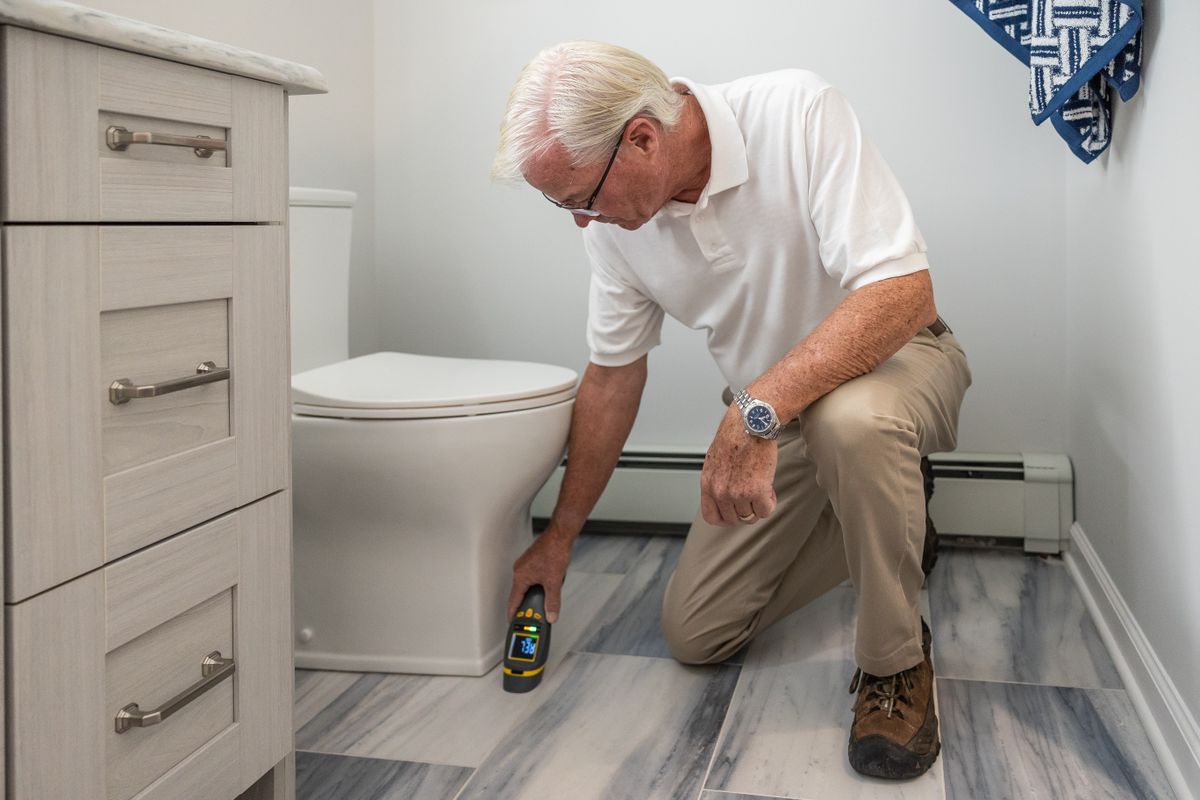
A patch of tile that stays warm under bare feet often sits above a leaking hot-water line.
A bill that jumped
Usage climbs from one cycle to the next while your habits haven't changed.
Running water, nothing on
A faint hiss or rush near a wall or floor when every tap and appliance is off.
A meter that keeps moving
The leak indicator turns even with the house and irrigation shut off.
A water heater that never rests
It cycles on and off all day because hot water is escaping somewhere below.
Damp baseboards or flooring
Swelling trim, lifting laminate or a darker line of grout with no plumbing fixture nearby.
The meter check (and ruling out the pool)
Three checks you can do before anyone arrives
In a Valley home with a pool and drip lines, the slab isn't the only place water can disappear. These checks take a few minutes, need no tools, and tell the technician where to start.
Don't open walls, break concrete or dig. If water is surfacing, turn off the main if you can reach it safely and call.
- 1
Everything off, watch the meter
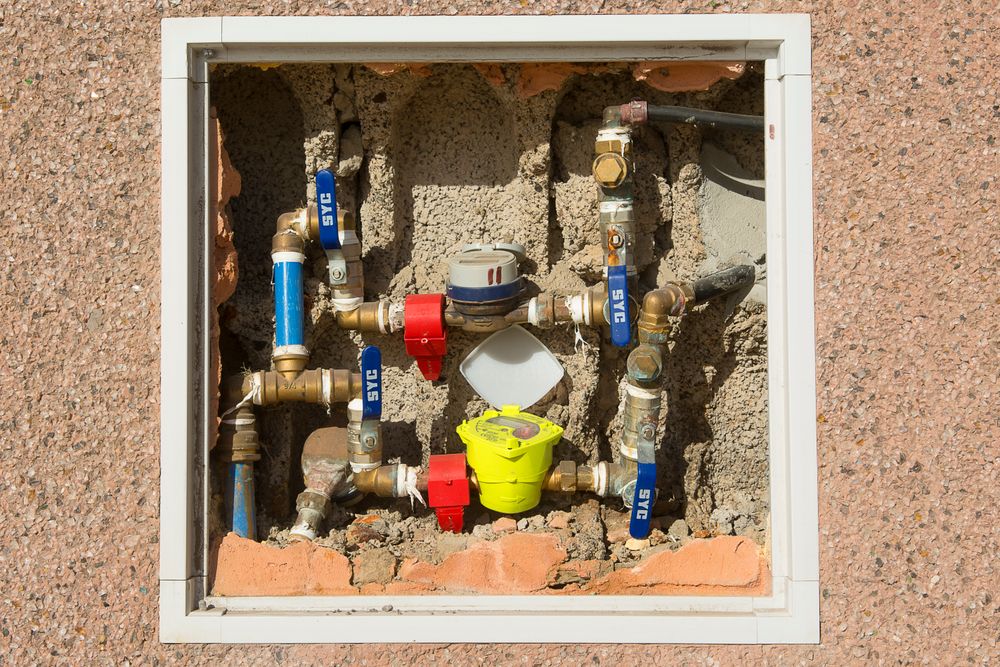
Close every tap, stop the dishwasher and washer, and look at the leak indicator on your meter for fifteen minutes.
- 2
Irrigation off, watch it again
Switch the irrigation controller off and repeat. If the meter stops, the loss is more likely outdoors than under the slab.
- 3
Mark the pool level for a day
Put a strip of tape at the waterline and check it 24 hours later with the autofill off, if your pool has one.
- Meter Still Moving? Talk to a Leak Contractor Pool, drip system or slab? →
How the leak gets found
Narrow it down line by line, then listen
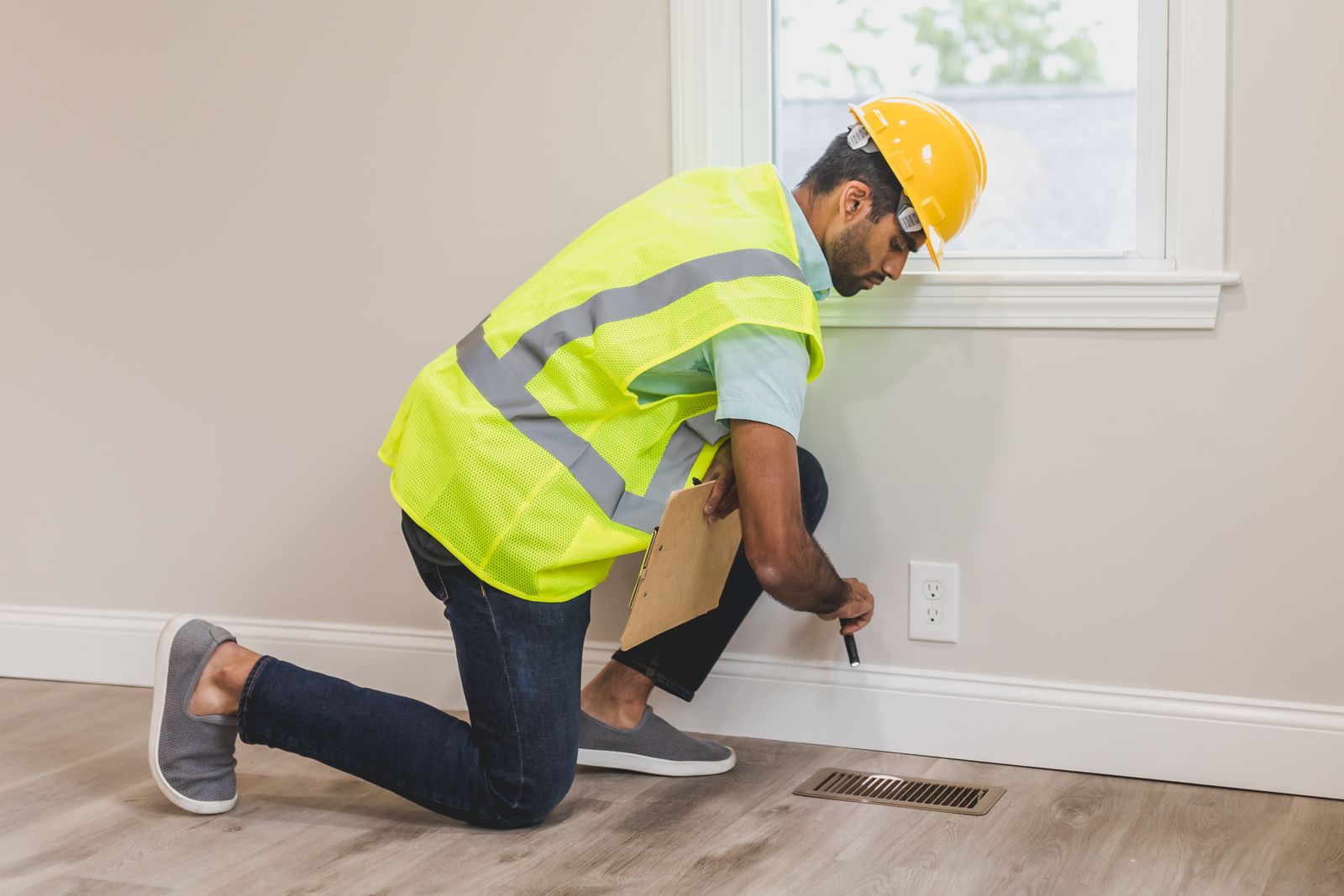
Locating comes before any opening in the floor. The aim is to keep any access as small and as well placed as the home allows.
STEP 01
Isolate hot and cold
Shutting off sections of the system shows whether the loss is on the hot side, the cold side or the line from the meter.
STEP 02
Pressure test
A gauge on the isolated line confirms whether it holds pressure or bleeds it away.
STEP 03
Acoustic locating
Ground microphones pick up the sound of water escaping through the slab and help trace the loudest point.
STEP 04
Thermal imaging
On hot lines, a thermal camera shows heat spreading through tile and concrete above the leak.
Caliche, thick tile and tight access can make locating slower in some Valley homes. Your technician will tell you how confident the reading is before anything is opened. More on locating →
Fix options at a glance
Four ways a slab leak can be repaired or replaced
Which one the technician recommends depends on where the leak sits, the pipe material, how many leaks the house has had and how the home is laid out. You get the options and the pricing before work starts.
Spot repair
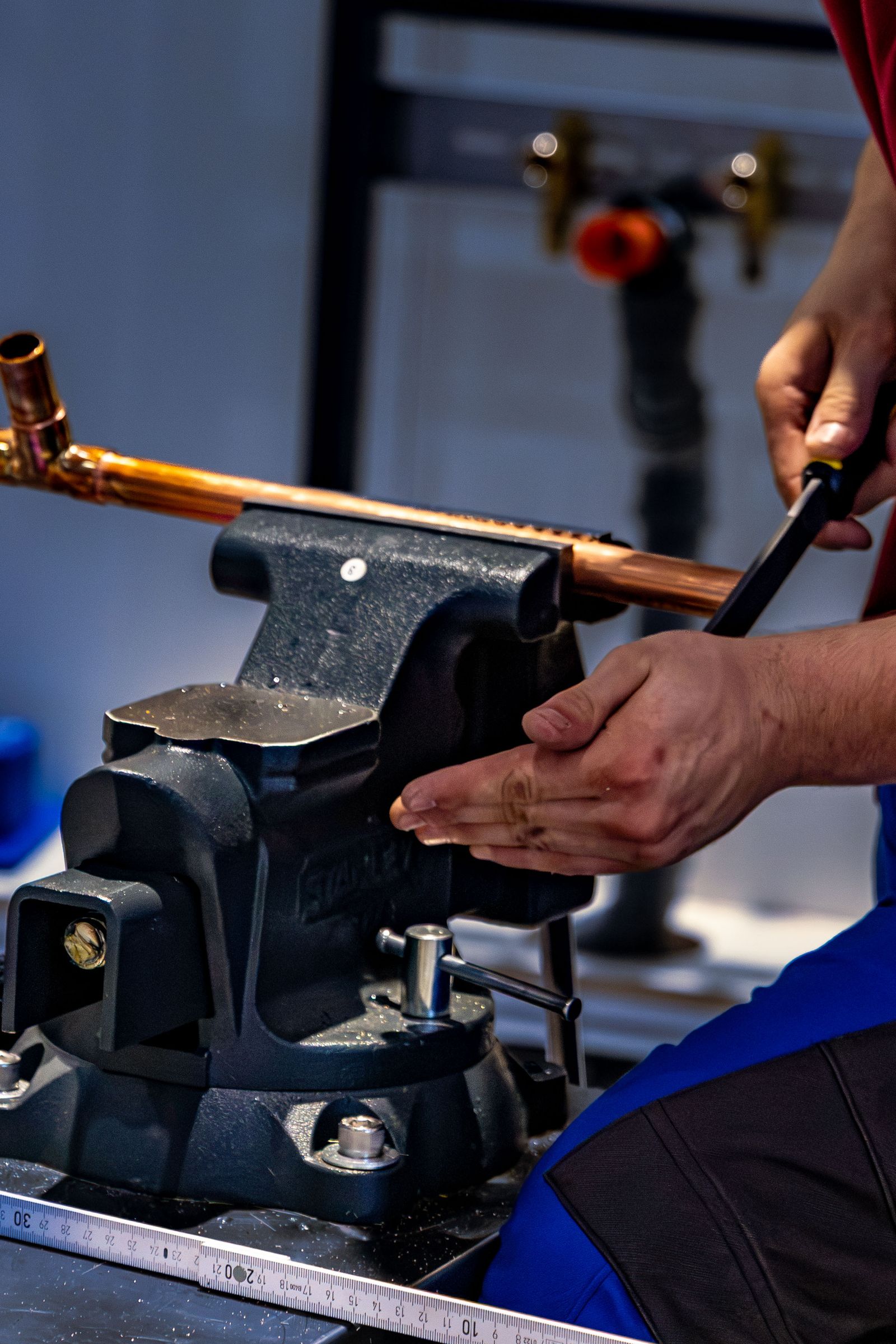
A small opening at the leak point and a section of pipe replaced. Often suited to a first, isolated leak.
Reroute
The failing line is abandoned and a new one runs through walls or the attic, out of the slab.
Pipe lining
Where the technician recommends it, a coating is applied inside the existing line.
Repiping
Partial or whole-home replacement, usually discussed after repeat leaks in the same house.
Three Nevadas
46 cities and communities, 121 ZIP codes
Slab leaks look different in a Summerlin tract home, a Reno house with a crawlspace addition and a manufactured home in Pahrump. Pick your region for the details that fit.

Southern Nevada
Las Vegas Valley
Slab homes nearly everywhere, most built from the 1980s on. Very hard water, caliche ground, pools and drip systems in many yards.
Las Vegas · Henderson · North Las Vegas · Boulder City · Laughlin · Mesquite · and more
Northern Nevada
Reno, Carson & Western Nevada
A mix of slab, crawlspace and basement homes with real winters. Newer subdivisions are usually on slabs; older streets often aren't.
Reno · Sparks · Sun Valley · Incline Village · Carson City · Gardnerville · Minden · Fernley · Dayton · Silver Springs · Yerington · Fallon · and more
Rural Nevada
Rural Nevada
Slab and manufactured homes, wells in places, long drives. Slabs are only part of the housing mix here, and you will hear plainly what coverage looks like.
Pahrump · Winnemucca · Lovelock · Elko · Spring Creek · Ely · Battle Mountain · and more
Three kinds of Nevada home
The leak is the same everywhere. The homes around it are not.
A line that fails under a slab behaves much the same in Henderson or Elko, but the houses, the ground and the climate differ across the state. Here is how the coverage area breaks into three.
The Las Vegas Valley
The Valley is the main focus, since nearly every home there sits on a slab. Tract and planned communities from the 1980s through the 2000s make up much of the housing, and the lines under those slabs are now old enough to leak. Very hard water, caliche around the concrete and long hot summers are all part of the picture.
Reno, Sparks and the Carson area
Northern Nevada homes vary more. Some have slabs, some have crawlspaces and some have basements, and the winters are cold. A slab leak is more likely in newer subdivisions, while older homes often show a leak somewhere it can be seen. Tell the crew what is under your floor and they will say what fits.
Rural Nevada
Towns such as Pahrump, Elko and Winnemucca have slab homes, manufactured homes on piers and properties on wells. Distances are long here. A crew will say plainly whether the job is a fit and how soon they can arrive.
Whichever region you are in, the first step is the same: read the water meter with everything off, note whether it moves, and call with what you find.
One service, covered in depth
Slab leaks are all we cover
This isn't a general plumbing site. Every page here is about one problem: water escaping from a line under your slab, how it's found and how it's fixed.
All 24 slab leak topics →Common questions
Before you call
Will the floor have to be opened?
+
Sometimes. A spot repair needs a small opening at the leak. A reroute usually avoids the slab and runs new line through walls or the attic instead. The technician explains which applies to your home once the leak is located.
How quickly can someone come out?
+
The phone line is answered around the clock. Same-day visits are sometimes possible in the Las Vegas Valley, depending on the contractor’s crew availability, and are less certain elsewhere, especially in rural areas. You'll be told the expected timing on the call.
My meter stops when the irrigation is off. Is it still a slab leak?
+
Probably not. That result points to the irrigation side. Slab leak technicians don't repair drip systems or pools, so in that case you'd want a landscape or pool professional instead.
How do I know what pipe is under my house?
+
The year your home was built gives a rough idea, but builders varied and many homes have had sections replaced. The technician identifies the material on site, and that's what the recommendation is based on.
I live in a townhome with an HOA. Who should I tell?
+
Have your HOA or management contact handy when you call, and let any neighbor who shares a wall know if water may be crossing over. Your HOA documents decide who handles what; we can't advise on that.
Should I turn the water off?
+
If water is surfacing through the floor, close the main shutoff if you can reach it safely, move valuables away and keep clear of wet areas near outlets or appliances. If you smell gas, leave the house and call the gas utility and emergency services from outside.
Will I know the price before work starts?
+
Yes. Ask for the price before work begins. Each repair option is priced so you can compare before deciding.
What follows once the leak is fixed?
+
The line is tested before the crew leaves, and you'll hear what was found and what was done. Flooring and drying are outside slab leak work; if you need them, plan a hand-off to the right trade. After the repair →