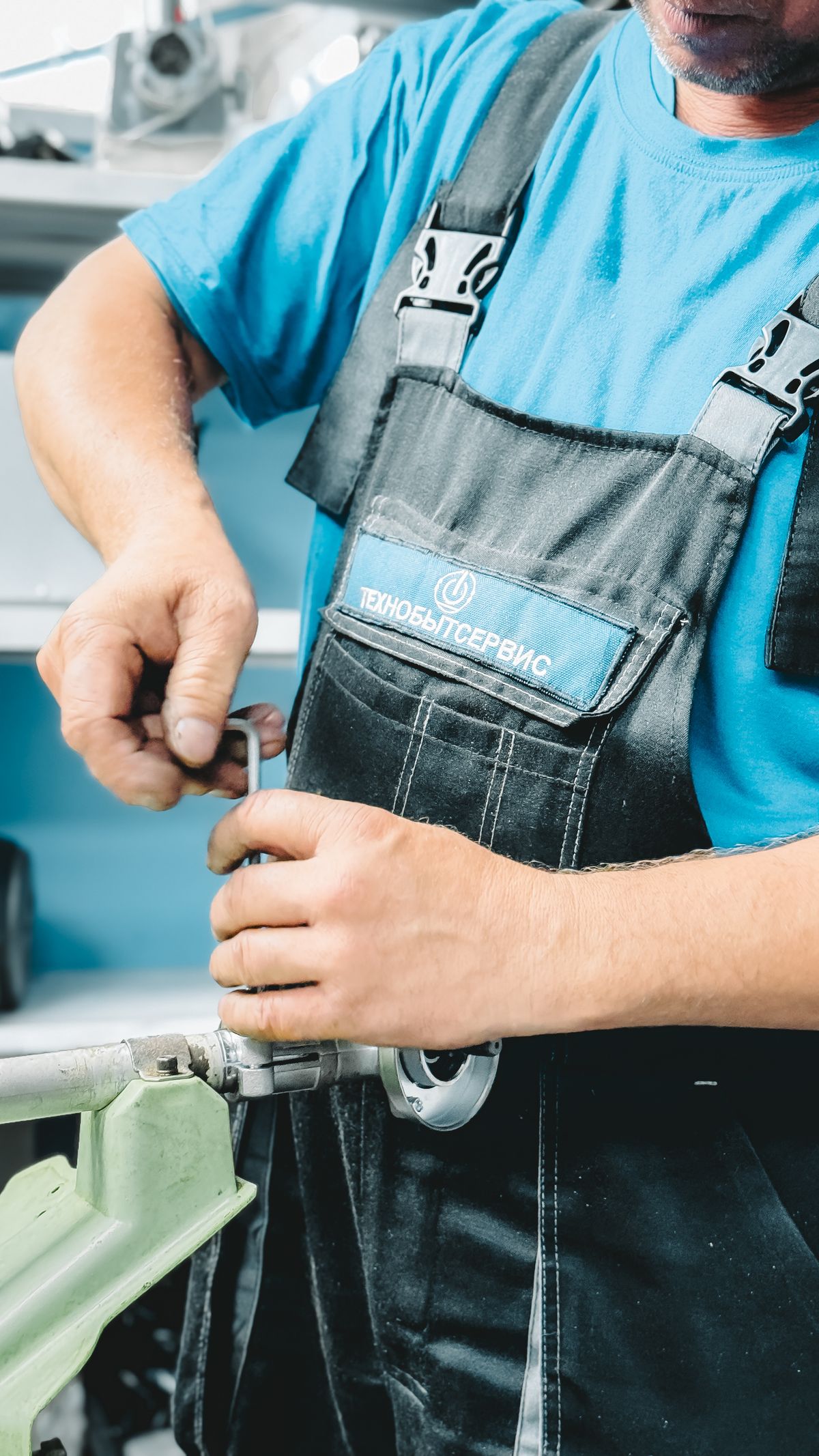
What a spot repair is
A spot repair fixes one location on a line. The technician opens the floor over the marked leak, breaks through the slab, digs down to the pipe, cuts out the damaged length and joins in a new piece. The line is then tested, the hole is filled and the surface is closed.
It does not change the rest of the line, and it does not move the pipe out of the slab. What was under the floor before is under the floor afterwards, with one section new.
Because the work is local, so is the disruption. One room, or part of one, is affected. The rest of the house carries on, apart from the period when the water is shut off.
The steps, in order
- The leak is located and marked, and the technician confirms the mark with a second method.
- The area is prepared. Furniture is moved, floors are protected, and dust control is set up where it applies.
- The floor covering is cut and lifted over a small area. The slab is cut or broken through.
- The technician digs to the pipe, which in hard ground takes more time. The leak and the pipe around it are examined.
- The damaged section is removed and a new piece is fitted with joints suited to the pipe.
- The line is pressure tested before anything is covered.
- The hole is backfilled and the slab opening is closed. The surface is left ready for flooring work.
The crew explains where it is in this sequence as the work goes on, and you can ask to see the pipe before it is covered.
When a spot repair tends to fit
A spot repair suits a first leak, in an open area where the floor is easy to reach, on pipe that looks sound on either side of the break. If the technician opens the floor and the pipe nearby is clean and solid, a short replacement is a reasonable answer.
It also suits a leak at an isolated fitting or joint, where the cause is local, not a worn line.
Cost, time and disruption all tend to be lower than for larger options, which is why it is often the starting point. It is not the right answer for every leak, and the technician says so when it is not.
When it may not fit
A leak under a kitchen island, built-in cabinets or fixed tile is harder and more costly to reach. The floor around it may be difficult to match afterwards. A reroute may avoid the floor altogether. See slab leak reroute.
If the pipe around the leak looks worn along its length, a short replacement leaves similar pipe on either side. The technician may point that out, and the conversation may shift.
If this is the second or third leak in the house, a spot repair addresses the current one but not the pattern. Repeat slab leaks covers that conversation.
Hard ground and access
In much of southern Nevada, the ground under the slab is caliche, a hard cemented soil. Digging through it takes longer and calls for different tools, and the opening may need to be a little larger to allow a clean repair. See caliche and slab leak access.
Access also depends on what sits above. Heavy appliances, built-ins and tight hallways all affect how equipment gets in and how large the work area can be.
The crew will tell you before cutting how big the opening is likely to be, and where debris will go.
After the repair
Check the meter with everything off during the next day or two. It should be still. Keep notes on where the leak was and what was done.
Floor coverings, grout, paint and texture are separate trades. The crew closes the slab but usually does not match finished surfaces. Ask what they will leave and who handles the rest. After the repair covers this.
Noise, dust and timing
Breaking a slab is loud, and it creates dust. A good crew contains the dust with barriers and a vacuum, and protects nearby flooring. Plan for the room to be out of use, and for pets and children to be elsewhere.
The work typically takes a part of a day, depending on the ground, the depth and the pipe. The crew gives an estimate after seeing the area.
If you are in an HOA community or a townhome, tell the crew about working-hours rules and shared walls before they arrive.
In Nevada homes
Spot repair is common in the Las Vegas Valley for first leaks in boom-era homes, where the line is copper and the floor is open. It often works well for a leak near a wall or a hallway.
It is less often chosen when the leak is on the hot side for the second time, or when it sits under tile that cannot be matched. See boom-era home slab leaks.
Northern Nevada slab homes follow the same logic. Homes with crawlspaces rarely need a slab opening, since the line can be reached from below.
Deciding on a spot repair
Choosing a spot repair is easier when you know what to ask. The technician has just located the leak and may have looked at the pipe. These questions turn that into a decision.
First, how confident is the mark? A crew that cross-checked with isolation, pressure and sound will usually be quite sure. If it was a single method, ask about a second.
Second, what is the pipe like around the leak? If the technician can see it, ask whether it is clean and solid or worn. If they cannot, ask what they expect.
Third, what would the opening look like? Ask where it would be, how large, and what is above it. A kitchen island or a tiled hall has different consequences than a bedroom corner.
Fourth, what is the plan for the next leak? A spot repair does not change the rest of the line. Ask what the crew would suggest if another leak appeared nearby.
Finally, ask about the alternatives. A reroute may avoid the floor. A spot repair, a reroute or a replacement of the line all start with the same call, and slab leak repair and replacement explains the starting point.
If you are comfortable with the answers, a spot repair is a sound, direct choice. If not, take time, and keep the line isolated while you decide.
Getting ready for the day
A little preparation helps the crew work quickly and protects the house. Clear the room around the marked spot, and a path from the entrance. Move furniture, rugs and anything breakable out of the work area.
If the opening is near a wall, take pictures down. Vibration from breaking concrete can shake things loose. Cover items you cannot move.
Close doors to other rooms and tape or cover vents if the crew asks. Dust control is part of a good crew’s setup, but extra care helps.
Pets and children need a quiet place away from the noise and the open hole. A hole in the floor is a hazard, and tools and debris are around.
Have the water heater and the main shutoff clear, and tell the crew where they are. Agree on a time for the water to be off, and plan for that.
Afterwards, the crew leaves the area ready for flooring. Plan the next step, and ask who will do it. After the repair covers the hand-off.
A note on the old pipe and the new section
Where a spot repair joins a new piece into an old line, the join is the part to ask about. The technician selects fittings suited to the existing pipe, which matters when the old and new materials differ in size or type.
The new section is pressure tested with the rest of the line. The technician can show the gauge. If the old pipe near the joint looks worn, ask whether to replace a slightly longer length, since the join is easier to make in sound pipe.
The old section removed is yours to see. Ask to look at it, or to have it photographed. It often shows the cause of the leak more clearly than any description.
Keep the photo with your notes.
Where this comes up in Nevada
A spot repair suits a single leak in otherwise sound pipe, in any town. Local pages that cover the homes and conditions around this topic include Las Vegas, Reno, Ely and Battle Mountain.
Those pages describe the homes and water in each area. The areas page covers every town.
Common questions
How large is the hole for a spot repair?
+
As small as practical, usually a patch of floor a couple of feet across. The technician explains before cutting.
Will my floor match afterwards?
+
Matching finished flooring is a separate trade. Ask the crew what they leave and what you will need.
How long does a spot repair take?
+
Often part of a day. It depends on the ground, depth and pipe.
Is the water off during the repair?
+
Yes, for at least part of it. The crew says how long.
Is it a permanent fix?
+
This site makes no claims about longevity. The line is tested, and the technician explains what they found.
Can the hole be left until later?
+
Ask the crew. Leaving a line open or untested is not typical.
What if the mark was wrong?
+
The technician adjusts. A small opening is easier to adjust than a large one.
Can I watch?
+
You can ask to see the pipe. Stay clear of the work zone.
Related reading: slab leak repair and slab leak detection.