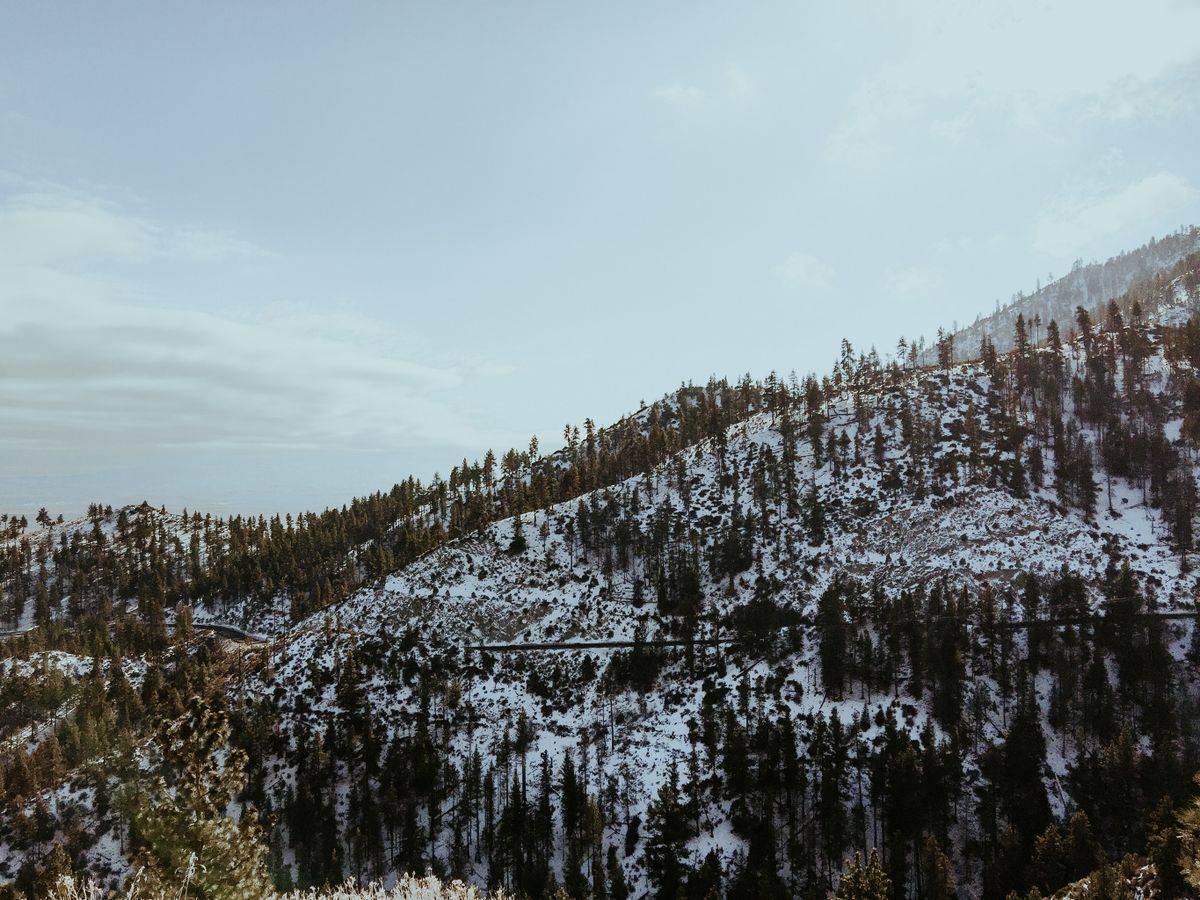
Reno and its housing
Reno is the largest city in northern Nevada, in Washoe County, with Sparks next door and Sun Valley to the north. Its housing was built over a long stretch, from the early twentieth century through to subdivisions still being finished today. That range is what makes slab leak work here different from the Las Vegas Valley.
Older central neighborhoods, many dating from before the 1960s, are mostly on raised foundations with crawlspaces, and some have basements. Homes from the 1970s through the 1990s are a mix: crawlspaces and slabs both appear, sometimes on the same street. Newer neighborhoods on the edges of the city are largely slab-on-grade, many with PEX supply lines.
The result is that a Reno caller may or may not have a slab leak. The first thing the person who answers asks is what is under your floor.
Which Reno homes have slab leaks
Slab leaks happen in Reno homes where the water lines run through the concrete. In practice that means newer subdivisions and some mid-century or later homes with slab floors. If you can see under your house or walk into a basement, you probably have a different kind of leak.
Newer slab neighborhoods, built mostly from the 1990s on, are where a slab leak is most likely here. The lines are younger than in Valley boom-era homes, so first leaks are less common. When they happen, they often sit at fittings, risers or places where the line was damaged during construction. PEX slab leaks covers this.
Mid-century and 1970s homes with slab floors, where they exist, may have copper or other older lines under the concrete. These homes are the ones most like the Valley’s older neighborhoods in how they leak. The technician confirms what is under the floor.
Winters, slabs and where freezing matters
Reno winters are cold enough to affect plumbing, though not usually the lines under a slab. Those sit below the surface and are largely protected from frost. Freezing risk is mostly in garage walls, exterior walls, crawlspaces and hose bibs, where lines are exposed.
A burst pipe after a cold snap shows itself quickly, because water appears in a wall or garage. A slow leak in a slab shows itself by the meter, the bill, a warm patch or a sound.
In winter, a warm spot on the floor needs a little extra thought. Some homes have in-floor heating, which makes a warm floor normal. If you have it, mention it, and the technician will factor it in. Warm spot on the floor covers how to check.
In winter, meter boxes can ice over, and lids may be hard to lift. Do not force a frozen lid. If you cannot reach the meter, say so on the call.
Signs and checks for a Reno home
The signs are the same as anywhere: a bill that rises with no change in habits, a faint hiss when the house is quiet, a heater that runs more than before, a warm patch, a meter that moves with everything off.
Start with the meter. Turn everything off, watch the leak indicator for two minutes, then close the main and look again. The water meter check gives the routine, step by step.
Irrigation matters in Reno too, though less than in the Valley. Many yards have sprinkler systems that are drained for winter and restarted in spring. A cracked line after a restart can look like a new leak. Check the irrigation first.
How a leak is found in a slab home
The visit starts with the meter and the main, then isolation of the hot and cold lines. That tells the crew which line is leaking without any digging. Pressure testing narrows it to a stretch.
Acoustic and thermal tools then place the leak along the line, and a mark goes on the floor. In plastic lines such as PEX, pressure testing carries more weight, since sound is dampened. How slab leaks are found explains the combination.
The result is a mark, a plain explanation of what was found and the options. You decide.
Repair and replacement options in Reno slab homes
A first leak in an open area is often a candidate for a spot repair. The floor and slab are opened at the mark, the damaged section is replaced, and the opening is closed.
A reroute moves the run out of the slab and runs new line through walls and the attic. It tends to come up for repeat leaks, leaks under cabinets or tile and hard-to-reach spots. Many Reno slab homes have attics that allow it, though cold-climate insulation shapes the route. Slab leak reroute explains.
Lining and repiping come up in some houses. Where a home has a crawlspace under part of the floor, lines can sometimes be rerouted below the floor without opening the slab. See slab leak repair and replacement for the overview of options. Each option is priced before work starts.
Reading Reno housing by era
The era a Reno home was built tells you something about its foundation and plumbing, though not everything. Treat it as a prompt for questions.
Homes from before the 1960s are mostly on crawlspaces or basements. Their water lines may be older materials, many of them repaired or replaced over time, and they are usually visible from below. A leak is a matter of looking.
Homes from the 1960s through the 1980s are mixed. Slab floors appear, often alongside crawlspaces in the same neighborhood. Copper is common in this range, though some homes have had lines replaced.
Homes from the 1990s and 2000s include many slab-on-grade houses, with copper and, later, PEX. This is the stretch where a slab leak is most likely.
Homes built since then are mostly slabs with PEX. Leaks are less frequent, and when they happen, they are often at fittings or risers.
None of this replaces looking. The technician confirms the foundation, the pipe and the layout on site.
Questions worth asking the crew
- Is my home a slab, a crawlspace or both, and how does that change the approach?
- How was the leak located, and how sure is the mark?
- Which options fit my house, and what would each leave open?
- How would the work deal with winter, and the attic or crawlspace insulation?
- Who handles flooring and finishes afterwards?
A clear answer to each helps you decide, and a crew that cannot answer is worth a second question.
Neighboring places
Reno shares its edges with Sparks to the east and Sun Valley to the north, and many callers live close to the boundary. A house on one side of the line is built much like a house on the other, so the advice here applies to both, with a few local differences in housing mix.
Sparks has a good deal of newer slab housing and some older neighborhoods on crawlspaces. Sun Valley is largely older, smaller lots, with a range of foundations. Each has its own page, and either may be the better fit if you live there.
Farther south, Carson City and the Carson Valley towns follow a similar pattern, with more acreage and wells. See the regional page for the whole group.
ZIP codes served in Reno
Calls from these Reno ZIP codes are connected to contractors for the area: 89501, 89502, 89503, 89506, 89508, 89509, 89510, 89511, 89512, 89519, 89521 and 89523.
Neighboring communities, including Sparks and Sun Valley, have their own pages in the Reno, Carson and western Nevada region.
Edges of the city: acreage and wells
On the edges of Reno, some properties are larger lots with wells, septic systems and long service lines. Those homes add a pump and pressure tank to the plumbing a crew checks.
A pump that cycles when nothing is running is a useful sign. Mention it, and mention any well, when you call. The technician will explain how the meter check works for your setup.
Before the crew arrives
Clear a path to the water heater and the main shutoff. If the leak is under a carpeted room, lift a corner if you can do so easily, and note any damp. If you have in-floor heating, tell the crew.
If water is surfacing, close the main if you can reach it safely and keep away from wet areas near outlets. If you smell gas, leave and call the gas utility and emergency services from outside. What to do when you find a slab leak lists the order of steps.
Smaller communities that may be of interest from here: Verdi and Washoe Valley.
More guides and nearby places for Reno
Polybutylene-era homes explains what the build years can mean for Reno homes from that period. pool, drip system or slab leak helps rule out the yard before you assume the slab in Reno. slab leak repiping explains partial and whole-home replacement of supply lines for Reno homes with aging plumbing.
If you live near Reno, the neighboring pages cover slab leak help in Carson City, slab leak help in Fernley, slab leak help in Incline Village, slab leak help in Sparks, slab leak help in Sun Valley and slab leak help in Virginia City.
Questions about slab leaks in Reno
Do Reno homes get slab leaks?
+
Yes, mainly in newer slab neighborhoods. Many older homes have crawlspaces or basements, where leaks are found by looking.
How do I know if I have a slab?
+
If there is no crawlspace or basement and the floor sits on a concrete pad, you have a slab.
Can a hard freeze in Reno cause a leak under the floor?
+
Freezing mostly affects exposed lines in garages, exterior walls and crawlspaces. Slab lines are usually protected.
Is a warm floor a leak in Reno?
+
Not necessarily. Homes with in-floor heating have warm floors. Mention it so the crew can judge.
Do newer Reno homes have PEX?
+
Many do. The technician confirms what is in your house.
What if the meter box is frozen?
+
Do not force the lid. Say so on the call.
Can the crew reroute through a crawlspace?
+
Sometimes, where one sits under part of the house. The technician explains on site.
Do crews cover Sparks and Sun Valley?
+
Yes, those places have their own pages.
What if my home has a well?
+
Say so when you call. A pump that cycles with nothing running is a useful clue.
Can I get the price before work starts?
+
Ask for the price of each option before work begins. The contractor sets the price.